


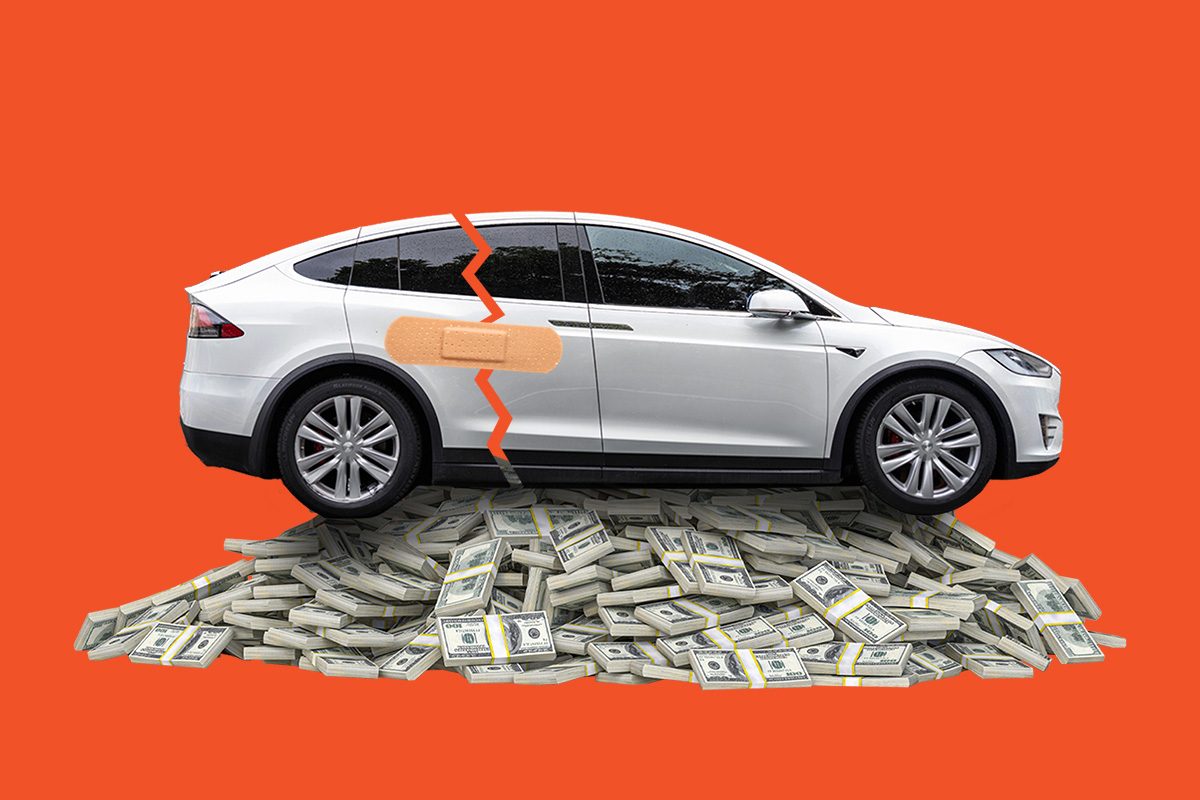
It's not for everyone and is often overpriced.Here, the concept of GAP insurance (and whether you need it) is demystified.
I liken GAP (guaranteed asset protection) insurance to being “underwater” with your mortgage — aka, when your home loan is greater than your home is worth. As long as you keep paying your monthly mortgage premium and have fire insurance, your house can be totally destroyed in a fire, and you’re still covered.
However, if you owe more than your car is worth and total it, your insurance will only reimburse the vehicle’s ACV (actual cash value, or “book value” —as listed in Kelley Blue Book, NADA Guides, or Edmunds pricing guides). That’s where GAP insurance comes in.
If your auto loan or lease payoff amount is greater than the ACV, the balance between the two becomes your responsibility. Consequently, unlike PMI (private mortgage insurance), GAP insurance protects you from that financial ding. Still, GAP insurance isn’t for everyone—and it’s often overpriced.
Follow along as lawyers, automotive, financial and insurance experts weigh in on the benefits of GAP insurance, and if it’s right for you.
What Is GAP Insurance?
“GAP coverage pays for the difference between what a car is worth and what is still owed on it,” says insurance professional Fran Majidi. Ben Shoolin, award-winning General Motors new car salesperson added, “GAP insurance not only covers the difference on the car’s book value and what you owe but also frees up money [you can use] for a down payment towards a replacement vehicle.”
What does GAP insurance cover?

The easy answer: it ONLY covers the “GAP” between a vehicle’s value and the remaining principal loan balance.
What doesn’t GAP insurance cover?
While GAP Insurance covers the “gap” between what a car is worth and what is still owed, it does not cover:
- Any add-ons or upgrades (sound systems, paint protection film) that may increase a car’s value.
- Preventive maintenance services or extended warranties.
- Mechanical failures or breakdowns due to wear and tear.
- Penalties or interest on missed loan payments.
- Collision or comprehensive insurance deductibles.
- Any fees or costs resulting from a reposition.
If you refinance or roll the existing loan into a new loan, check with your lender and GAP policyholder if the new loan amount is fully covered.
Reasons to get GAP insurance
The benefits of GAP insurance are significantly different depending on whether a car is used or new. Majidi stated, “GAP coverage is important because a new car can depreciate 10 to 20 percent just by driving it off the dealership lot, then usually another to 10 to 15 percent per year.”
Financial strategist Kevin Marshall, CPA, added to that, saying: “If you financed [the loan] with little money down [20 percent or less], with little equity in the vehicle, you would end up owing more than the vehicle is actually worth within the first two years.”
“Let’s say you purchase a new car for $30,000 and finance the full amount over 60 or even 72 months at six percent interest. After six months, you’ve made about $3,000 in payments, but due to front-loaded interest, your loan balance is still around $27,200. If your car is totaled in an accident and only worth $24,000, you’re still on the hook for $3,200,” explained Mark Fitzpatrick, insurance expert at MoneyGeek.com.
If your lender required GAP insurance, that $3,200 gap is covered, saving you from out-of-pocket costs. All our experts agree GAP insurance is crucial when your loan-to-value ratio (LTV) is high, especially with loans of 72 months or longer, and with low or no down payment.
Reasons not to get GAP insurance
GAP insurance can be a valuable way to keep from being forced to write a large check when you least expect it, but it’s not entirely necessary. Here’s advice from our experts on why you may not need GAP insurance:
- You only need GAP insurance if you owe more money on the car than it is worth. In other words, if your car’s ACV is greater than your loan, there’s no “gap to bridge.”
- GAP insurance might not be necessary or have time to provide value if you take a short-term loan, made a substantial down payment, or if you plan to fully pay off the loan early.
If you bought a model with strong resale value or made a solid down payment of 40 percent or more greatly reduces the risk of negative equity.
Can I Cancel My GAP Insurance?
Most likely, yes. Virtually any insurance policy can be cancelled. However, check first with your lender first to see if canceling your policy violates your lease or loan agreement. Most companies offer prorated refunds. But beware of administrative charges or cancellation fees.
FAQ
Is GAP Insurance required?
“Not by law,” says Marshall. Generally, it’s optional coverage. However, many lenders may require GAP insurance on high-risk loans when leasing or buying a new car. “To protect their investment, and since the vehicle is technically theirs, GM Financial provides GAP insurance at no cost for all of the cars they lease,” says Shoolin. Check with your lender if GAP insurance is required, or if they offer low-cost or no-cost GAP coverage, and if the policy covers any deductibles.
How much does GAP Insurance cost?
Several factors affect the cost of GAP insurance. For example, GAP insurance policies on higher-value or fast-depreciating cars are more expensive. Consequently, GAP insurance on low-mileage or short-term leases will be relatively inexpensive. “Some insurance companies can add GAP to your existing auto policy for $20 to $40 a year,” says Marshall, versus $500 or more from a new car dealer.
During my research, I found that not all auto insurance companies offer GAP insurance. Check your LTV and compare quotes from different agents before purchasing GAP insurance. “Because it’s easier, many people buy GAP insurance from the dealer,” says Shoolin. But that also means you’re going to pay interest if you roll the insurance cost into the loan.
What about Gap insurance for used cars?
It depends. New cars can depreciate up to 30 percent in the first year, while a used car depreciates at a much slower rate. Still, the same as all the caveats of a new car, if you make a small down payment, opt for a long loan period, or have a used car loan that may carry a higher interest rate, increasing front-loaded interest verses principal amounts, GAP insurance can be a smart safeguard.
“But first, always consider your financing structure, LTV, and tolerance for risk before deciding if GAP insurance is right for a used car purchase,” says Joshua Kimura, attorney at Kimura London and White LLP.
About the Experts
- Ben Shoolin has been professional new vehicle General Motors salesperson for over 45 years and is an award-winning Buick/GMC Mark of Excellence Sales and Leasing Specialist at O’Neil GMC in Warminster PA., a multiyear award-winning, General Motors Customer Satisfaction dealership.
- Fran Majidi has worked in the insurance industry for over a decade and is a subject-matter expert on insurance and Insurtech (applying big data and analytics to assess risk more accurately). Fran is currently working at Modotech, writing about insurance and helping insurance companies streamline their businesses with insurance software solutions.
- Joshua Kimura, J.D., is a founding partner and trial attorney at Kimura London and White LLP who regularly handles complex insurance-related disputes and advises clients on the nuances of GAP insurance. Joshua graduated from Chapman University School of Law (2009) and has been featured in Forbes, Fortune Magazine, and the Daily Journal.
- Kevin Marshall is a Certified Public Accountant and consultant at Think Save Retire. Kevin is a seasoned financial expert with over 35 years of experience in financial planning. He advises clients on the benefits and drawbacks of GAP insurance, how to choose the right GAP insurance or whether to opt out.
- Mark Fitzpatrick holds a master’s degree in economics and international relations from Johns Hopkins University and a bachelor’s degree from Boston College. He is a personal finance expert at MoneyGeek.com, analyzing the insurance market, conducting original research and creating tailored content for all types of buyers. Mark has been featured on CNBC, NBC News and Mashable. He’s also a five-time Jeopardy champion!
Resources
- Consumer Financial Protection Bureau: “What is private mortgage insurance?” (Aug 28. 2003)
- Forbes Advisor: “Gap Insurance: What It Is And How It Works” (Oct 31, 2024)
- Investopedia: “Loan-To-Value (LTV) Ratio: What It Is, How To Calculate” (Aug 6, 2025)
- Julie Hilliam, licensed State Farm Insurance professional at Gregg Englebreth State Farm Agency
- MoneyGeek: “Do I Need Gap Insurance on a Used Car?” (Sept 14, 2025)
- U.S. News and World Report: “How to Cancel Gap Insurance” (Sept 15, 2025)
Related
- Do You Know What That Little Button on Your Seat Belt Is For?
- What Those Lines on Your Backup Camera Really Tell You
- Here’s What The Small Panel On Your Car’s Front Bumper Is For


