


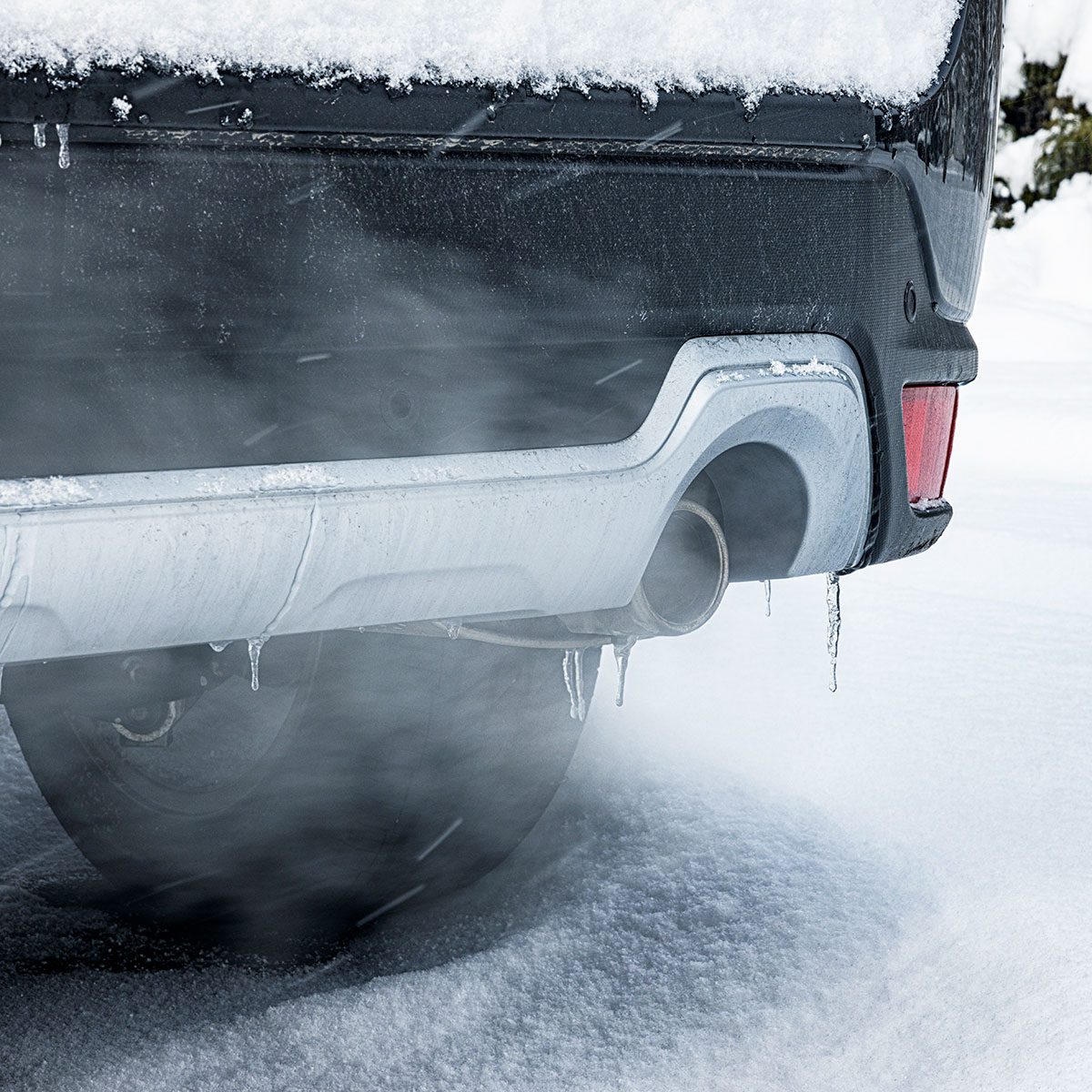
Puffing sounds harmless, but leaving your car running unattended can carry legal and safety risks that vary widely across the United States.
Ok, so the name sounds pretty silly. But if you live somewhere that gets real winter mornings (like REAL winter) you’ve probably seen “puffing” happen, or done it yourself.
Simply put, puffing is when you start your car, leave it running, and go back inside to wait while it warms up and becomes more comfortable to drive in. I grew up in a cold-weather state and remember my dad starting the car about 10 minutes before driving me to school.
Chances are you’ve also heard the term by a different name, as it’s one of those things that can vary by region. Puffing is also commonly referred to as idling, or some might just describe it as the process of “letting your car warm up while you wait inside.” Paraphrasing a little there.
The idea makes sense, but is it safe and is it allowed?
Are There Safety Concerns With Puffing?
Yes, puffing, or idling, provides comfort and convenience. Letting your car warm up means no cold seats, a frozen windshield, a stiff steering wheel, or a cold cabin.
So, what’s the problem? The issue isn’t the engine running on its own. The concern comes from leaving a running vehicle unattended, which creates safety, theft, and environmental problems.
A running car can move if it wasn’t properly secured. Exhaust can build up near garages or buildings, posing a potentially life-threatening risk. Also, modern vehicles don’t require long warm-ups to function properly, as most manufacturers design engines to warm efficiently while driving.
“Vehicle emissions are the number one source of air pollution in many areas,” according to the North Carolina Department of Environmental Quality. “When a car is idling, it’s also polluting! Idling wastes money and natural resources. It can damage vehicles, pollute the air, and harm our health. Air pollution has been linked to asthma and other respiratory problems.”
Is Puffing Legal?
Puffing laws vary by country, state, city, and even neighborhood. Many U.S. states prohibit leaving a running vehicle unattended, while others have exceptions like locking the car or using a remote start system. Remote start classifications are not universal.
Local laws are designed to reduce theft, limit emissions, prevent accidents, and protect vehicles, as a running car can be more easily stolen and poses a risk from rolling, shifting, or being accessed by children or pets. Also, a running car indoors poses a major health risk.
Some jurisdictions limit how long a car can run while parked. A few minutes of idling in cold weather might be permissible, while others ban it outright.
Many laws include weather-related exceptions, usually related to extremely cold temperatures when you’re sometimes allowed limited idling to defrost windshields or maintain vehicle function. Another exception is for emergency vehicles, delivery trucks, or work vehicles that often fall under separate rules.
Private driveways are a bit of a grey area. Some states or municipalities still enforce unattended vehicle laws on private property, while others are more concerned with public roads, parking lots and privately owned areas like parking lots. Homeowners associations (HOAS) may also have their own rules.
How to Check the Rules Where You Live
In the U.S., state motor vehicle department websites lay out guidelines for what is, and isn’t permitted. More locally, city websites and local police departments often post reminders seasonal detailing how local laws apply during cold weather.
You can usually find the exact language by searching your city’s name along with “unattended vehicle” or “idling ordinance.” Local enforcement practices can also vary, so what’s written online may be applied differently during extreme temperatures.
But whether it’s legal or not, it’s important to remember it might not be safe for you, the environment, or your car.
Sources


