


Don't count on flushing the toilet, hurricane insurance doesn't cover water damage and other lessons learned from a calamity.
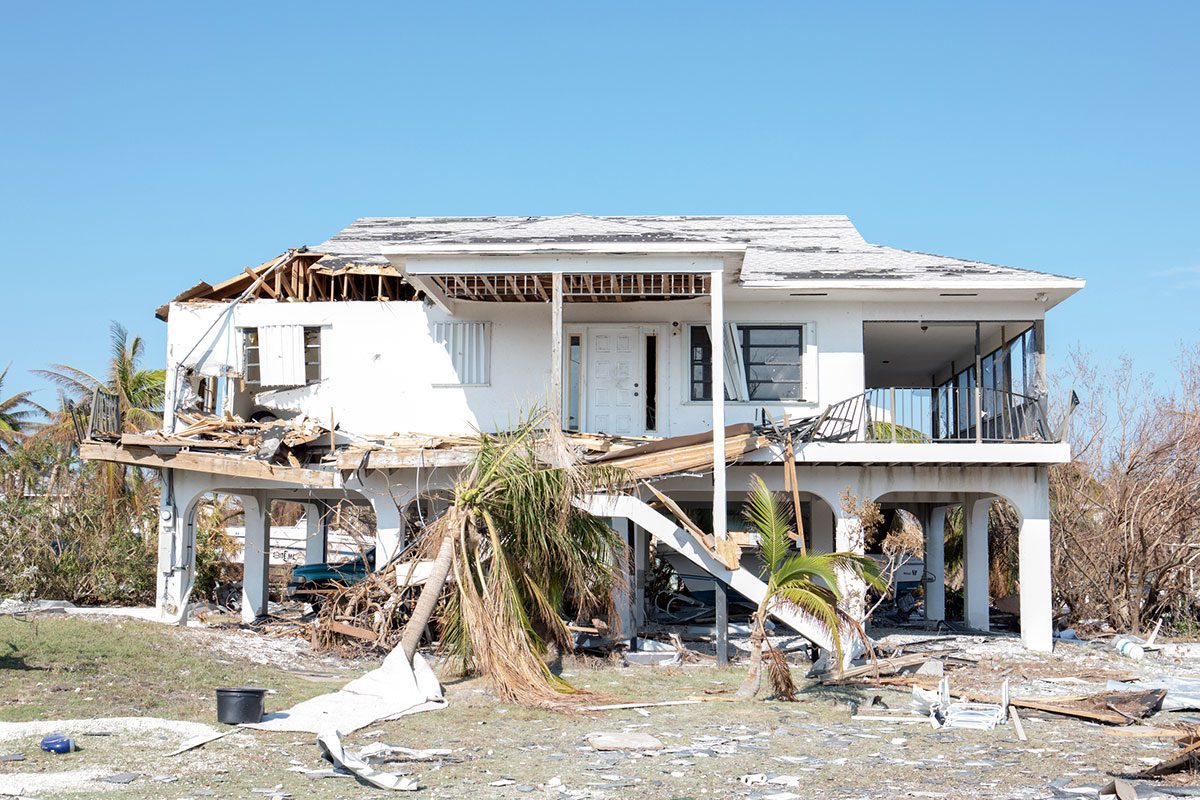
In 2017, Hurricane Irma stripped nearly every building and tree from the island of Barbuda. With 185-mph winds, Irma was the most powerful storm ever recorded in the Atlantic. Four days later, it made landfall directly over our house in the Florida Keys. Even though the winds had eased to 130 mph by then, it was still a powerful Category 4 storm.
We were lucky. We had days to prepare — a luxury compared with those who face tornadoes, wildfires, floods and landslides. And even though we fancied ourselves emergency conscious, we still weren’t well ready for what unfolded.
Here’s what we’ve since learned about natural disaster preparedness, evacuation, insurance and rebuilding.
Evacuation: Stay or Go?
Go. We strongly considered staying, but were ultimately thankful we didn’t. It took days for crews to clear the roads, and weeks for the power, water and sewer to go back online. Beyond those discomforts, evacuating is key to taking stress off of emergency responders and clean-up crews. They already have their hands full without having to deal with someone’s broken ankle, heart attack or short supply of food, water and fuel.
Evacuation Prep
- Store vital documents where you can easily grab them and go. Take pictures of them, too, so they’re backed up on your phone and in the cloud.
- Preplan a meeting place, in case you lose family and friends in the confusion.
- Take photos or videos of every room before you leave, to help remember items for insurance claims.
- Update your ID card with your current address. Authorities only allow disaster zone reentry to those who can prove residency.
Evacuation Realities
Leave early. We left late, just a day before the hurricane, because my partner was busy helping his customers take down awnings and secure their boats. By then, 6.8 million other Floridians were also on the move (the largest evacuation in US history). That created traffic chaos, as well as mass shortages of gas, food, water, and lodging.
Gas
Keep gas cans on hand for travel. Within minutes of the evacuation announcement, lines at the pumps were hours long. Soon after, pumps started going dry. The state couldn’t distribute gas fast enough. We lucked out by finding gas at the local marina. But after the storm, we drove almost 700 miles around the state before finding an operable station.
Food and Water
Within a day or so of evacuation announcements, grocery store shelves were bare across the state, and the ones that still had water were rationing it. So it’s wise to always keep at least a few days’ worth of nonperishable food and water on hand. Consider compact items that cook quickly and easily on a camping stove. Additionally, a portable water filter or mini filter can be a lifesaver, as potable water is often compromised during a disaster.
Lodging
Book before you need it. Once evacuations started, rates skyrocketed (even though there are laws against that), and rooms were booked all the way through Georgia and North Carolina (not that we had enough gas to get to those places anyway).
Emergency Kit
Beyond a standard emergency kit, it was helpful for us to have two-way radios, plus a weather radio like this combo pack from Midland. It helped us keep track of emergency alerts and talk to each other, since we were driving two cars. It was particularly helpful when cell service went out.
Mass Panic
Keep calm and stay kind. We discovered how quickly an otherwise stable and cordial society can descend into chaos when faced with limited resources. The lack of gas was a particular flash point, and we saw several fights nearly break out at the pumps.
The Aftermath
Utilities
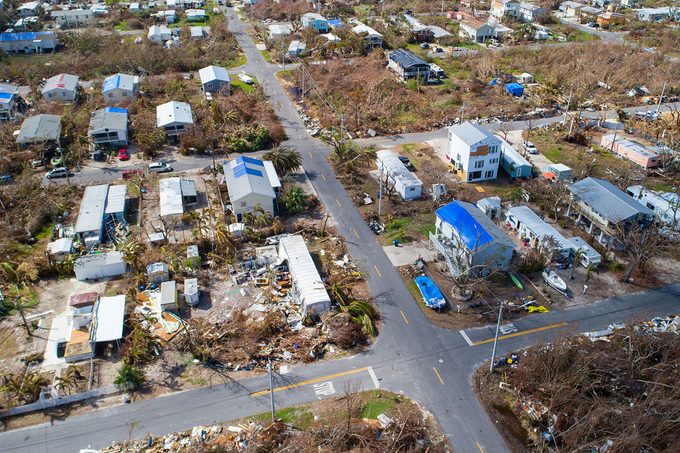
Plan on not having electricity — and seriously think about what that means. On the simple side, your electric can opener won’t work. On the severe side, your sump pump or medical devices will fail. Or, take a lesson from my dad, who decided to defend his mountain home from a wildfire — only to realize that once the utility company cut the power to the neighborhood, his well pump no longer worked and his hose went dry. Luckily, he took that as the sign to evacuate.
In Florida’s case, nearly three-quarters of the state lost electricity. In many places, those outages lasted for days. In the Keys, it was weeks. We returned home shortly after the storm, but after a couple of days with no showers, sewer, ice or power to run tools, we fled to the comfort of a hotel on the mainland until all of our utilities were restored. On the plus side, those few days at home prompted us to empty out the fridge before it turned into a toxic stew.
Pro-tip: Today, we’d solve many of these problems with a portable electric power station and solar panel like these from Anker SOLIX. These setups weren’t common in 2017, but today they’re indispensable for keeping electronics charged and running electric coolers, like this line from Goal Zero.
Insurance and FEMA
You are probably underinsured. We were. Unless you audit your policy annually, it probably hasn’t kept up with the decade’s rapidly rising construction costs. Also, policies get murky when it comes to natural disasters. For example, we had bought a “hurricane rider,” only to find out after the fact that it didn’t cover water damage. Talk about a WTF moment.
Other insurance tasks after a disaster:
- Call your agent promptly, then be ready to wait. Because of the large number of claims, it took weeks to get an insurance adjuster and FEMA representative to the house.
- Be pleasant, but persistent. Squeaky wheels do get greased. For some of our neighbors, the process also eventually required a lawyer.
- Understand your timeframe. With many policies, you only have two years to rebuild, which can be daunting when construction crews and architects are spread thin.
- Take photos of damage before you start cleaning up, so your adjuster and FEMA have proof of the damage.
- Take advantage of community programs that help navigate available aid.
- Save evacuation receipts (food, fuel, lodging), since FEMA or your insurance might retroactively cover them.
Zoning and Building Codes
A true tragedy for the Keys community unfolded inadvertently from previously updated building and zoning codes. Those required heavily damaged trailers and manufactured homes to be replaced with stilt homes and other hurricane-resistant designs — sounds like a good idea on paper, but those were way out of reach financially for many of the area’s retirees and low-income residents. The result was emotionally and financially devastating for many homeowners and renters, who had to leave the area. It also left a painful hole in the community.
Cleanup Injuries
Pace yourself. Moving downed trees, getting rid of damaged objects, repairing the house and helping neighbors all took a huge toll on our bodies. Simply put, in the effort to get life back to normal, we ignored our limits and pushed them too far. My partner ended up needing a year of rehab for shoulder and elbow injuries.
Community PTSD
I almost never hear this discussed, but it’s essential to understand. While communities often band together in spectacular ways after natural disasters, they also suffer from collective long-term post-traumatic stress. Depression and suicides rise, along with a general current of angst that underlies everyday life. In the Keys, we all believed if we could just make it to the first anniversary of the storm, everything would be back to normal. Wrong. Nearly a decade later, the community has still not fully recovered emotionally.
If you go through a natural disaster, be supportive, and don’t hesitate to ask for help when you need it. In the end, we got lucky twice (though many of our neighbors were not so fortunate). While our home suffered some damage, it was still livable. Our two feral neighborhood chickens even survived.
Within weeks, leaves started to sprout on the bare trees, bringing new hope. But, still, it took us a couple of years to get the home and business back to where they were before the storm. Overall, it was an eye-opening learning experience, but not one we’d like to go through again!


