


Some cars hide serious performance behind a plain exterior. These subtle signs can reveal when a used car is more powerful than it looks.
The used car shopping experience is never smooth. And sometimes it plays out like this. You’re scrolling through online listings or walking past parked cars at a dealership when something catches your eye.
It looks like an ordinary car, exactly what you’re in the market for. First, you spot one small detail that feels off. Maybe it’s the tires. Maybe it’s the brakes. Suddenly, the car doesn’t seem so ordinary.
That’s how many buyers end up with a “sleeper car” without planning to. So, are sleeper cars safe, legal, and what are the signs you’re about to purchase one?
What Is a Sleeper Car?
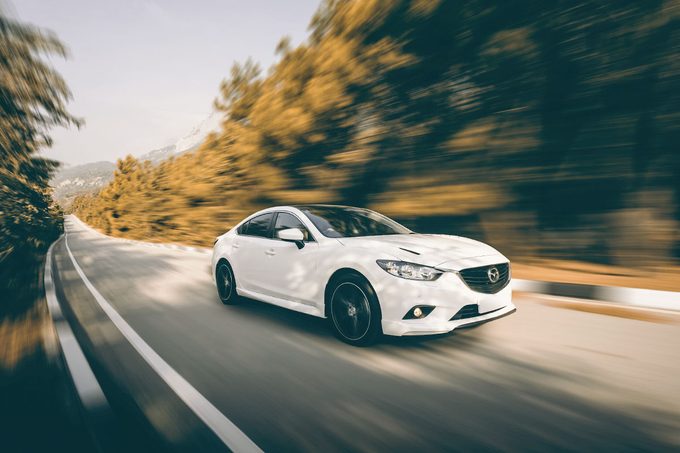
A sleeper car looks ordinary but delivers more performance than most people expect from its appearance or listing description. Some sleepers leave the factory with stronger powertrains hidden under subtle styling, while others get aftermarket parts that keep the outside looking close to stock.
“A sleeper car is a master of understatement in the automotive world,” says Erin Riches-Wong at J.D. Power. “It’s a car that offers considerable performance yet is bereft of indecent bodywork, garish paint, oversized aerodynamic elements, or anything else that might invite unwanted attention.”
Chances are you’ve heard of a vehicle like this, but under a different name or descriptor. Different regions and car enthusiasts have their varied names for sleeper cars. Other names include a Q-car, a stealth car, a wolf in sheep’s clothing, or a plain-wrapper performance car. Yes, they can sometimes be called unusual names.
Signs a Car Is a Sleeper Car
Basic Listing, Better Parts

Take a closer look at interior photos, paying attention to features like extra drive controls or a gauge layout that are exclusive to higher trims.
VIN Tells a Different Story
A seller may describe the car one way, but the VIN might not match the listing details. That’s a huge red flag and might be an immediate sign to run (not walk) away from this deal.
Small Mods Add Up
Vehicle modifications like performance tires, upgraded brakes behind stock wheels, or a slightly lower stance often support extra power without changing the car’s look are also key to keep an eye on.
Engine Bay Doesn’t Match the Mileage
An unusually tidy engine bay can raise questions. That includes fresh clamps, newer hoses, or aftermarket intake parts that tend to stand out. Slow down and look closely.
Drives Different Than Expected
Once the engine starts or the car pulls away, the tone can feel sharper than expected. That change often points to exhaust work hidden further up the system. Light throttle can produce quicker acceleration than the badge or trim suggests.
Clean Dash, Telling Scan
No warning lights doesn’t mean no changes. A quick OBD-II scan, a device that reads and clears trouble codes, monitors live sensor data, and diagnoses issues, can show recent resets or tuning clues that never reach the dashboard.
What to Do If You’ve Purchased a Sleeper Car
Of course, a sleeper car isn’t for everyone. Most people go into a car purchase expecting to get a vehicle that performs the way it’s advertised.
If you find yourself in this situation, here are some options and immediate next steps.
Start with a mechanical inspection to diagnose what’s been changed. Next, confirm that all modifications meet any local, state, or national emissions and registration laws and guidelines. Some buyers might choose to keep the car as-is and take advantage of any added performance. Others return it. Do what you think is best.
If you’re unhappy with your purchase, go back to the seller with documentation from the inspection and any documents you received from the seller about the condition of the vehicle.
Sources


