


Bring the outdoors in with these air-purifying plants, which can help freshen up your home.
11 Air-Purifying Plants for a Healthy Home

1
/
11

Rubber Plant
Large, waxy leaves easily identify this evergreen tree, native to India. Although it’s toxic to animals, it removes toxicity from indoor air—especially the formaldehyde emitted by common cleaning and grooming products. It does this by absorbing these toxic gases into its leaves and roots through a process called phytoremediation.
2
/
11

Aloe Vera
This succulent is good for your health in a bunch of ways. It’s best known for the skin-soothing effects of the gelatinous aloe that can be harvested from its leaves. But aloe vera is also great at eliminating airborne benzene, a chemical found in household cleaners and paint.
3
/
11

Peace Lily
This plant has a sweet name and makes a lovely gift. But it’s also a powerhouse air purifier that’s perfect for the bathroom. It excels at removing mold spores from the air and also filters out chemicals like alcohol and acetone—common in hairsprays and nail polish removers. Hummingbirds adore this plant (and so do we).
4
/
11

Bamboo Palm
This trendy plant gives your decor a tropical appeal while filtering formaldehyde, carbon monoxide, benzene and other harmful elements from the air—and it humidifies indoor air. The plant is native to Madagascar and needs bright light to thrive.
5
/
11

Spider Plant
Incredibly easy to care for and propagate, the spider plant is one of the most effective air-purifying plants, banishing formaldehyde and xylene from your environment. Keep one in a pot and clip off its little plantlets to use as air plants (no pun intended).
6
/
11

Snake Plant
Also known as Mother-in-Law’s Tongue, this plant has leaves that resemble tall, green flames. It’s excellent at filtering out formaldehyde from the air and getting rid of allergens. It’s also a succulent, so it’s relatively easy to care for, even if you don’t have a particularly green thumb.
7
/
11
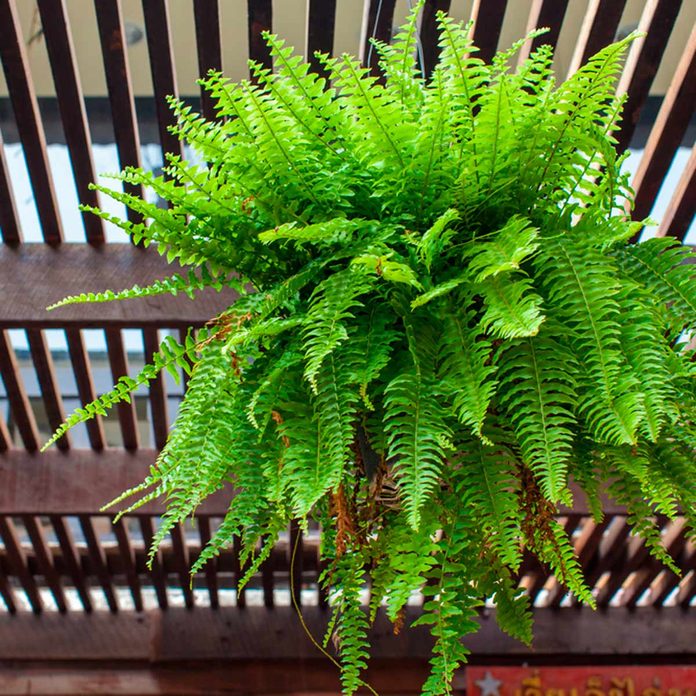
Boston Fern
This lush fern makes a perfect hanging plant, drawing out forms of formaldehyde from the air. However, it is a bit more high-maintenance than other air-purifying plants; it requires ample humidity and indirect light, which can be tricky.
8
/
11

Weeping Fig
The Weeping Fig, also referred to as the Ficus tree, effectively eliminates formaldehyde, xylene, and toluene from your home’s air. It’s fairly low-maintenance and loves indirect light and lots of water. This one is also poisonous to animals, though.
9
/
11

English Ivy
This one is often seen crawling up the walls of a home’s exterior, but English ivy also makes a lovely houseplant. Like all great air-purifying plants, it removes carcinogenic substances from the air and looks beautiful. It requires a decent amount of light to thrive.
10
/
11

Chinese Evergreen
Like most tropical greenery, this patterned plant, native to Asia, is a bit high maintenance but well worth the effort. Not only is it beautiful, but it eliminates plenty of toxins—including formaldehyde, trichloroethylene and benzene—from indoor air.
11
/
11
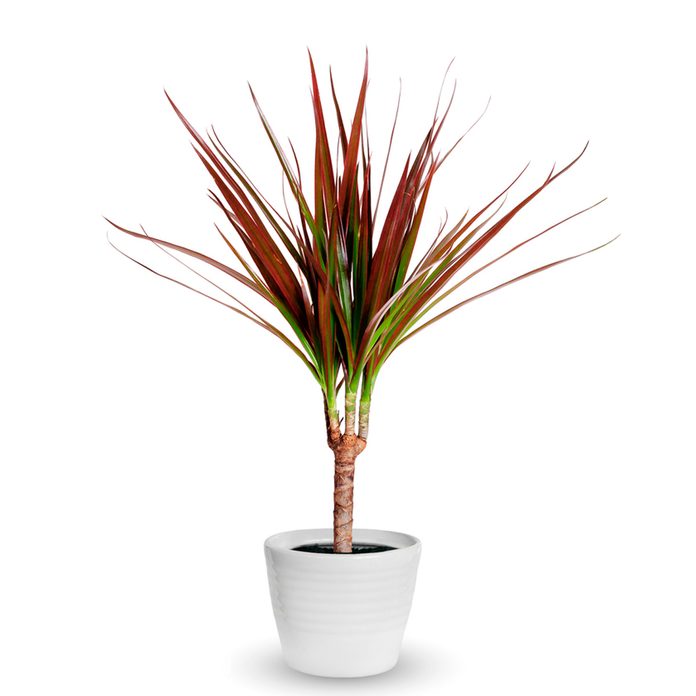
Dragon Tree
This common indoor plant is beloved for its ability to remove xylene and trichloroethylene from the air. The Dragon Tree is native to the jungle, thrives in a humid environment and does not require much light.
FAQ
Can plants replace air purifiers?
No, plants cannot replace air purifiers. While plants can help to remove some toxins from the air, you would need a very large number of plants to have a significant impact on your home’s air quality. A 2019 study found that you would need between 10 and 1,000 plants per square meter to equal the air-cleaning capacity of an air purifier.
Do these plants help with allergens or mold?
Some plants, like peace lilies, can help to reduce airborne mold spores. Others, like English ivy, can help to remove airborne fecal particles. However, some plants can also trigger allergies. If you have pollen allergies, you may want to avoid flowering plants. And be aware that the soil in potted plants can sometimes grow mold, which can also trigger allergies.
About the Expert
Calum Maddock is a UK-based landscaping professional with over 15 years of experience. He is an expert on the benefits of houseplants and their ability to improve indoor air quality.

