Engineered wood flooring is a beginner-friendly, budget option compared to hardwood. Here's the right pick for every project.
Our editors and experts handpick every product we feature. We may earn a commission from your purchases.Learn more.

Engineered wood flooring is a beginner-friendly, budget option compared to hardwood. Here's the right pick for every project.
Our editors and experts handpick every product we feature. We may earn a commission from your purchases.Learn more.
When it comes to beautiful, gleaming wood floors, springing for expensive solid hardwood planks isn’t the only option. Engineered wood flooring often delivers the same real-wood look with added dimensional stability, easier installation and a lower price point. Built with a real hardwood veneer over a reinforced core, engineered flooring is designed to handle fluctuations in temperature and humidity better than traditional hardwood, making it a practical choice for modern homes.
We researched dozens of options and tested several in our own homes to find the best engineered wood flooring for style, durability and ease of installation.
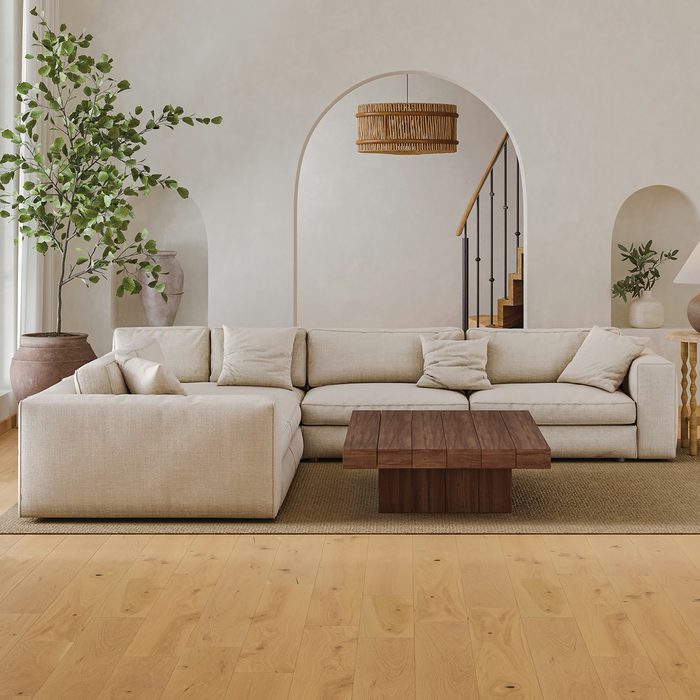
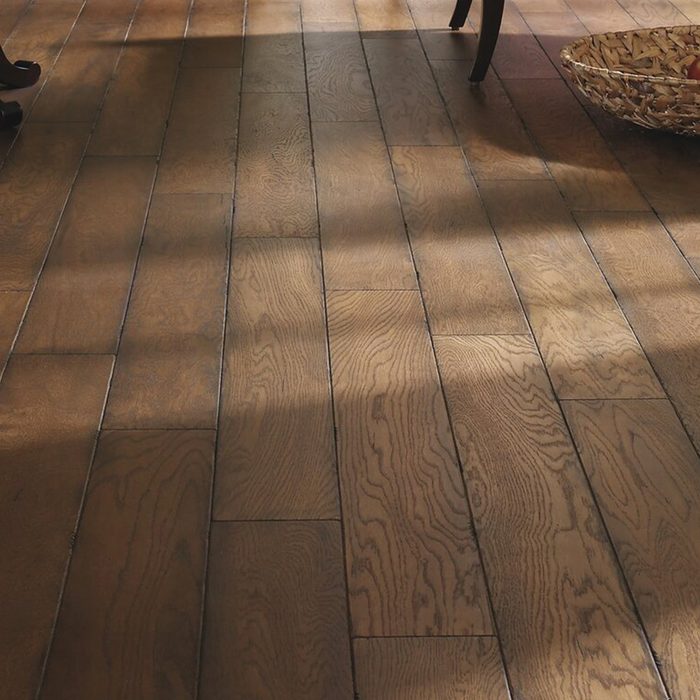
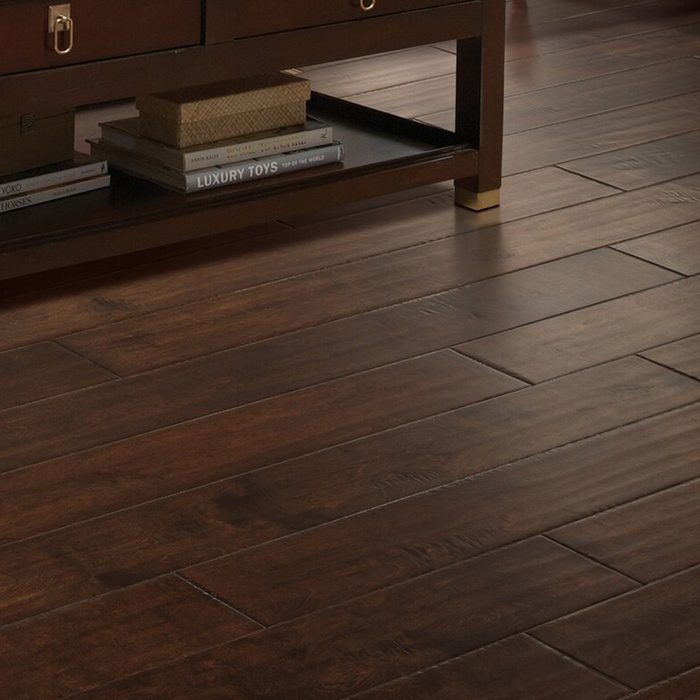
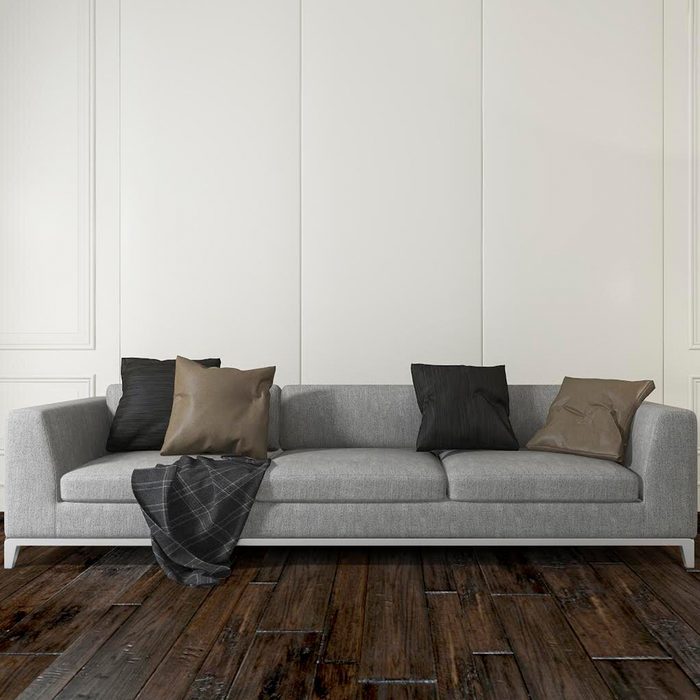
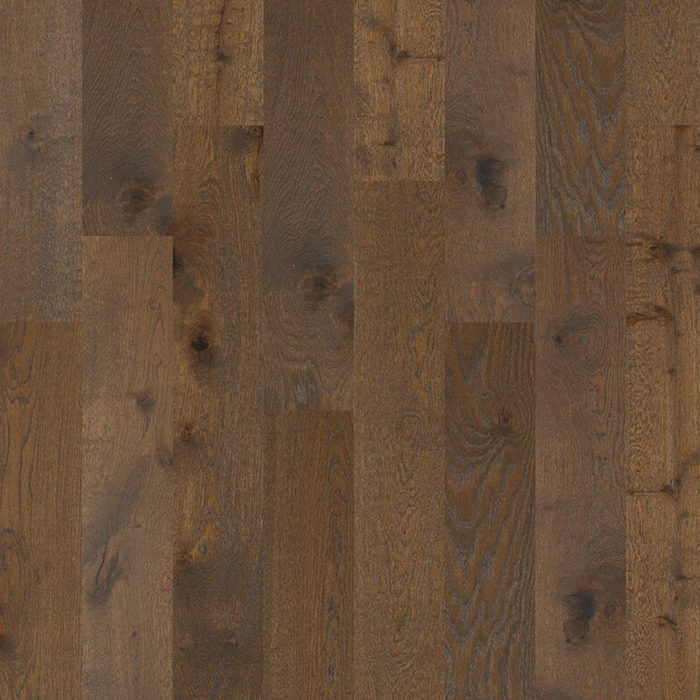
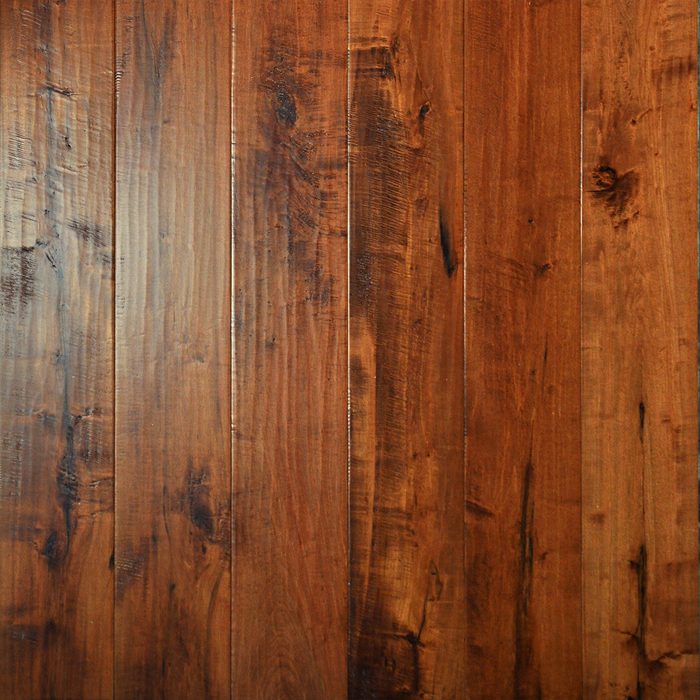
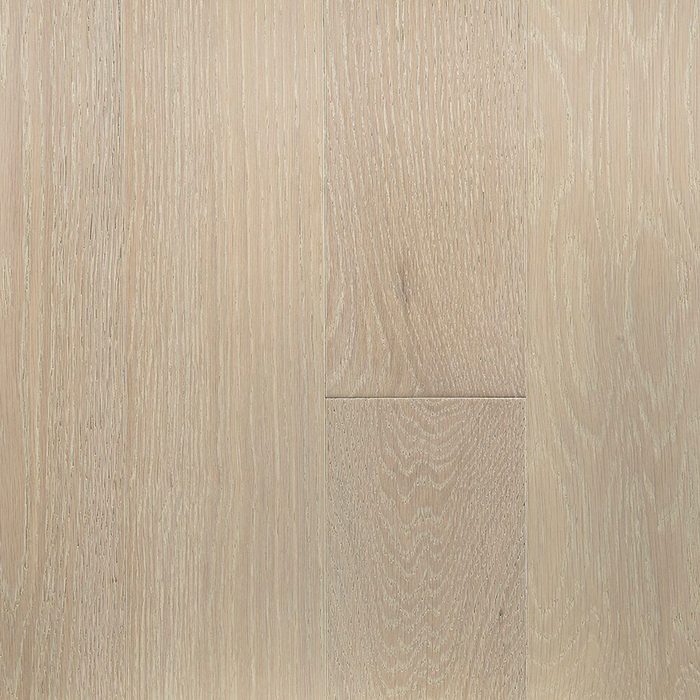

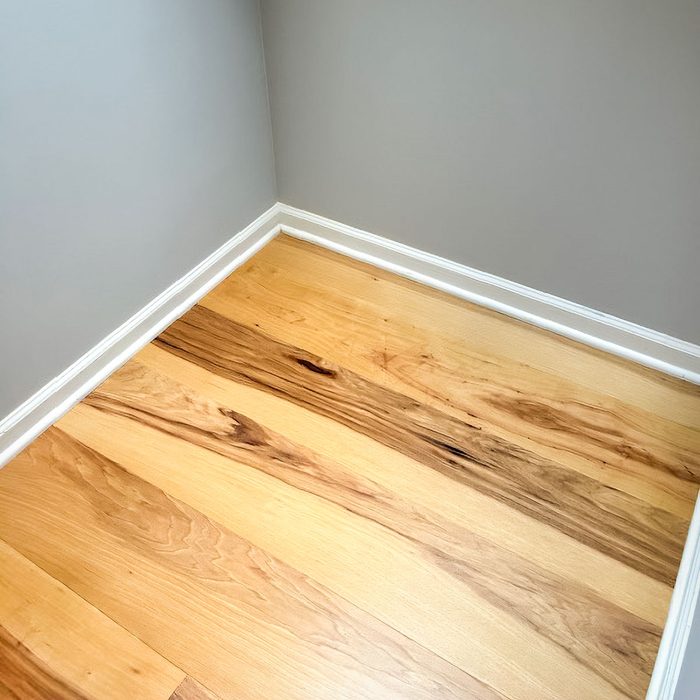
Newport hardwood planks boast a variety of lengths, but the width of the plank—each one is 7.5 inches—brings a cohesive, modern and fresh feel to any room. A thick three-millimeter wood veneer surface offers protection from scratches, dust and debris. A uniform look and seven stunning color options make this pre-finished wood flooring choice a shoo-in for the overall best engineered wood flooring.
At under $4 per square foot, this European Traditions oak flooring rings up as a total bargain. But don’t let that fool you—these oak wood planks feature a fancy French bleed edge that looks lovely with modern farmhouse decor. UV-protective finish and a choice between brown or red planks put this pick near the top of our list. A worn-in feel disguises nicks and scratches, so this easy-to-install flooring holds up well against kids and pets.
Having pets doesn’t mean forgoing the beautiful, shiny hardwood floors. Mohawk’s Wimbley birch flooring comes in three scratch-resistant shades: tobacco, burlap and java. Apart from the slip and water-resistant finish, humidity is no match for the cross-ply construction. That means reduced expansion and contraction of boards, which causes creaky floors.
“I love how there are three different sized slats and that the floor looks weathered, it looks so real I had to touch it to see if the floor was rough,” writes reviewer Babshoun. “One of the photos is after my husband used a drill bit and pushed hard to get a scratch. You can barely see it. This floor will be perfect for my dogs, I won’t have to worry about them scratching it up. The color is so pretty, my photos do not do it justice.”
This Calatan hickory flooring comes in random widths and lengths, giving rooms a rustic vibe. Available in four different finishes, the flooring is compatible with both wood and concrete subfloors. It’s a solid choice for basements—but fix any concrete pitting first. The warm color pallet combined with a hand-scraped surface simulates expensive hardwood at a fraction of the price. Plus, installation is incredibly simple using staples, glue or floating techniques.
Simple tongue-and-groove installation makes this Scottsmoor oak flooring planks a good choice for DIYers new to engineered wood flooring. A flat-sawn, matte veneer offers a cohesive look for kitchens, dining rooms or living areas. At three inches thick, these boards are durable enough to stand up to heavy footfall, and the scratch-resistant finish fights scuffs and spills.
“It wears really well and it’s very difficult to scratch it,” says verified reviewer Johnathan. “I have a dog and a cat and I’ve never seen a scratch on it. I’ve had it in for about a year now. It was pretty easy to install and I get compliments all the time and people can’t believe that it’s engineered flooring.”
When it comes to the kitchen, durability is top of the mind. This Albero Valley maple wood flooring boasts an 11-step aluminum oxide finish. It resists scratches and dings from dropped silverware, and the hand-rubbed protective stain keeps food from seeping into the 0.5-inch thick veneer. Plus, purposeful distressing done by hand disguises any nicks and marks from everyday use. Here’s what to know about wood stains for maple and how to apply them.
“STUNNING flooring,” writes reviewer Kimberli. “Good quality and durable. It looks clean and even in the kitchen it has stayed nice.”
Claiming to be 100% waterproof (and with the reviews to back it up), this waterproof hardwood flooring from Islander uses HDPC core technology that seals out moisture, so it’s safe for use in damp places like bathrooms. In the center, an attached foam pad reduces sound transmission and increases comfort while walking in socks. Because it’s scratch, slip stain and fire-resistant, it’s safe to use in high-traffic areas around the home.
Between a handsome wire-brush finish and a durable four-millimeter wood veneer, these Laguna hardwood plank floors are both exquisite and durable. The thicker wood veneer surface protects the underside from water, pet hair and other normal wear-and-tear. Better yet, the planks look incredibly modern thanks to a wide 9.5-inch width that covers more space per square footage.
Looking for a durable option? Check out the Bruce Dogwood Densified Hardwood, which has an ultra-durable core that allows for installation on all levels. Senior Editor Caroline Lubinsky had this flooring installed on the second floor of her large multipurpose room, which is used as an office with space. “It’s lovely in tone and variation. The color and extra-wide, 8-inch plank lends itself to multiple decor styles while giving a beautiful, spacious feeling to the room,” she says.
Installers came in, removed the existing carpeting in Lubinsky’s home and laid the floor in less than a day for a room greater than 10 by 28 feet in size. The glue and flooring did not odor, and the installers said this flooring could be refinished in the future.
Lubinsky selected the flooring from Floor & Decor because the manufacturer claims it is dent-, water- and scratch-resistant. She uses it in her three-dog household, and with its ultra-hard, durable exterior, the flooring has held up well. It would also be excellent in a playroom or high-traffic living room.
“The quality, appearance and color all surpass expectations and look better in person than online,” Lubinsky says. “It has a textured wire brush finish with a low gloss level. If you have pets, kids, a busy family/household or are just looking for a durable, great-looking product that will stand the test of time, this is the flooring for you.”
Engineered wood flooring is no longer viewed as a budget alternative to solid hardwood. In 2026, it’s becoming a performance-driven design choice.
“The biggest trend I see is that engineered wood isn’t considered the ‘cheap’ option anymore,” says Danny Niemela, Vice President and CFO of ArDan Construction. “Homeowners want it to look nice, but it also has to work and hold up to real life.”
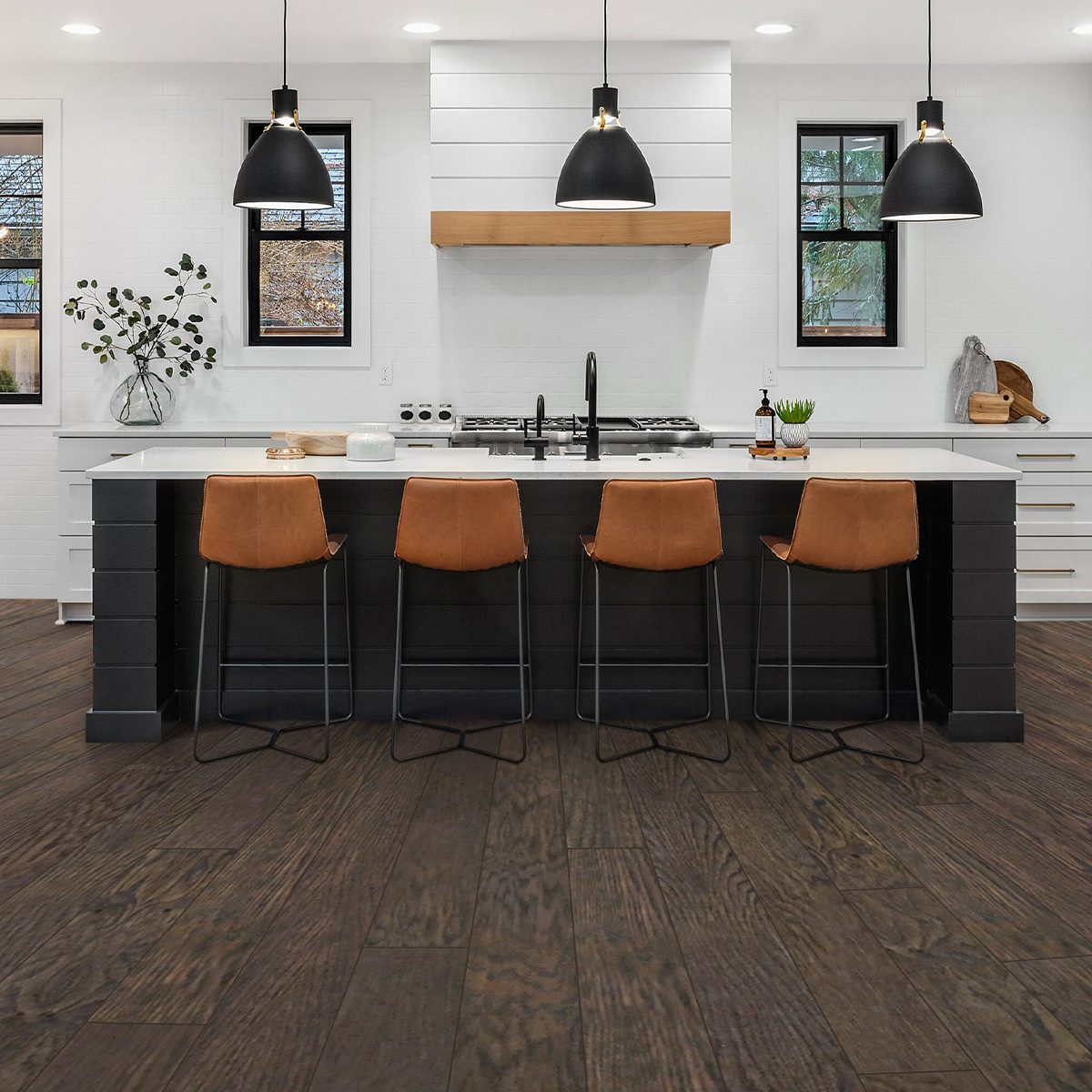
Wide planks (7.5 inches or more) in extended lengths continue to dominate, especially in open-concept homes. At the same time, color preferences are warming up. Cool gray tones are fading in favor of mid-tone hues like honeyed oak and soft taupe.
“People are bored of drab floors under natural light,” Niemela says. “Warm tones with enhanced grain and wire-brushed textures feel more authentic.”
Finish trends are evolving, too. Matte is still popular, but satin-matte hybrids are returning in rooms with varied lighting exposure to balance durability and appearance.
Performance upgrades are also expanding where engineered flooring can go. Waterproof cores, aluminum oxide finishes and improved compressive strength are allowing installation in kitchens, basements and even under radiant heat systems.
“Homeowners don’t want transitions from room to room anymore,” says Niemela. “They want one flooring type throughout the first level, and engineered wood is finally capable of doing that.”
While engineered hardwood shares a similar layered construction across brands, styles vary widely by species, finish and plank size.
Wide planks remain especially popular. According to Niemela, planks 7.5 inches and wider are in high demand, especially in extended lengths that help create a more seamless look across open floor plans. But color is shifting too. “Warm, soft taupes and honeyed oak colors are trumping the cool gray tones that used to dominate the market,” he says.
Engineered hardwood features a real wood veneer bonded to a plywood, high-density fiberboard (HDF) or stone-plastic composite (SPC) core. The core material plays a significant role in durability and moisture resistance.
Niemela notes that newer hybrid cores are changing the conversation. “SPC and HDF combinations that can take significant compressive force without warping are being installed throughout entire homes—even over radiant heat.”
While total plank thickness matters, the veneer thickness is equally important. A thicker wear layer allows for potential refinishing and better long-term durability.
Engineered hardwood is more stable than solid hardwood in humid climates. Newer waterproof cores and durable finishes are expanding where engineered wood can be used.
“You’re even seeing engineered wood flooring installed into kitchens and powder rooms with zero transition threshold,” says Niemela. “Three years ago, I would have said that was crazy. Done correctly, there’s no reason to change flooring types as you move through your first level.”
Installation is one of engineered flooring’s biggest advantages. Depending on the product, planks can be nailed, glued or floated over a subfloor.
Click-lock systems are now standard, but newer compression edge systems are improving efficiency.
“What’s new is glue-less compression edge systems that save installers time and allow them to replace boards in high-abuse areas without harming adjacent planks,” Niemela explains.
That flexibility makes engineered hardwood appealing for remodels, house flips and DIY-friendly upgrades.
We consulted shopping experts and combed through a number of engineered wood floors available online through retailers like Home Depot, Lowe’s, and Wayfair to find the very best engineered wood flooring options for every purpose. Once we had a selection of 20 floors, we narrowed down the list to the 9 with the best reviews. We opted to feature floors that are sturdy, inexpensive and simple to install.
We also tested a couple of our best flooring picks above to verify their overall quality and relay what the installation process is really like.
Engineered wood flooring is often more dimensionally stable than solid hardwood, meaning it better resists expansion and contraction from humidity changes. It also allows for wider planks and flexible installation methods.
According to Niemela, today’s hybrid cores can withstand heavy loads and daily wear without sacrificing aesthetics. “It has to perform under vacuuming, rolling kitchen islands and even dog claws,” he says.
Engineered wood flooring should be cleaned regularly to prevent grit from scratching the surface. Sweep or dry mop weekly, or use a hardwood-friendly vacuum with the beater bar turned off to avoid scuffs.
For deeper cleaning, use a lightly damp (not wet) microfiber mop and a cleaner specifically formulated for engineered or hardwood floors. Avoid steam mops and excess water, which can seep between planks and damage the core over time.
Finish durability plays a role in maintenance, too. “Matte and satin-matte finishes tend to hide dust and minor scratches better than glossy floors,” says Niemela. Choosing a durable factory-applied finish—such as aluminum oxide—can also make everyday wear less noticeable, especially in homes with pets or kids.
Engineered wood flooring is generally more affordable than solid hardwood, but pricing varies widely depending on species, plank width, veneer thickness and core construction.
Entry-level engineered flooring may start around $3 to $5 per square foot, while premium wide-plank options with thicker wear layers and high-performance cores can reach $8 to $12 per square foot or more. Installation costs will depend on whether the floor is floated, glued or nailed down.
According to Niemela, shoppers shouldn’t focus solely on upfront price. “It’s no longer just about getting the look for less,” he says. “Homeowners want it to perform and hold up to real life.” Investing in a thicker wear layer and a durable core can make a noticeable difference in long-term value.
Our editors tested several of the flooring picks above in real homes to evaluate installation, durability and overall appearance. We also consulted Danny Niemela, Vice President and CFO of ArDan Construction, an award-winning remodeling firm and multi-time “Contractor of the Year” recipient through NARI.
Additionally, I spent more than five years as a residential and commercial carpenter in NYC, specializing in custom furniture construction and installation. With hands-on experience and expert insight, I approach product reviews with a focus on durability, real-world performance and long-term value for homeowners.